
· Glownet · Insights · 2 min read
The ROI Reset: Why 2026 is the Year of "Return on Emotion" (ROE)
For years, event success was measured in simple terms: attendance, leads, and revenue. That's starting to change. Budgets are increasing, but so are expectations. Stakeholders don't just want to know how many people showed up, they want to understand whether the experience actually landed.

That’s where a new metric is gaining traction: Return on Emotion (ROE).
The Shift by the Numbers
Engagement over cost
For the first time, attendee engagement and satisfaction are overtaking cost control as the primary KPI for event planners.
The trust gap
In a world of AI-generated content, live events are becoming one of the few places brands can build genuine, human connection.
Emotion drives action
Over 90% of attendees who report increased brand trust after an event go on to make a purchase.
What ROE Looks Like in Practice
This isn’t about “vibes”, it’s about designing and measuring experiences more intentionally.
Real-time sentiment signals
Tools are emerging that track energy, dwell time, and engagement across spaces, giving organizers a live view of how an event is performing.
Attendee-led journeys
The most successful events are moving away from fixed schedules, allowing attendees to shape their own path and engage more deeply.
Purpose-built environments
Unique venues and curated spaces are being used to create a more deliberate emotional arc throughout the event.
From Emotion to Behaviour
Increasingly, emotion isn’t just measured through surveys or sentiment tools, but through behaviour.
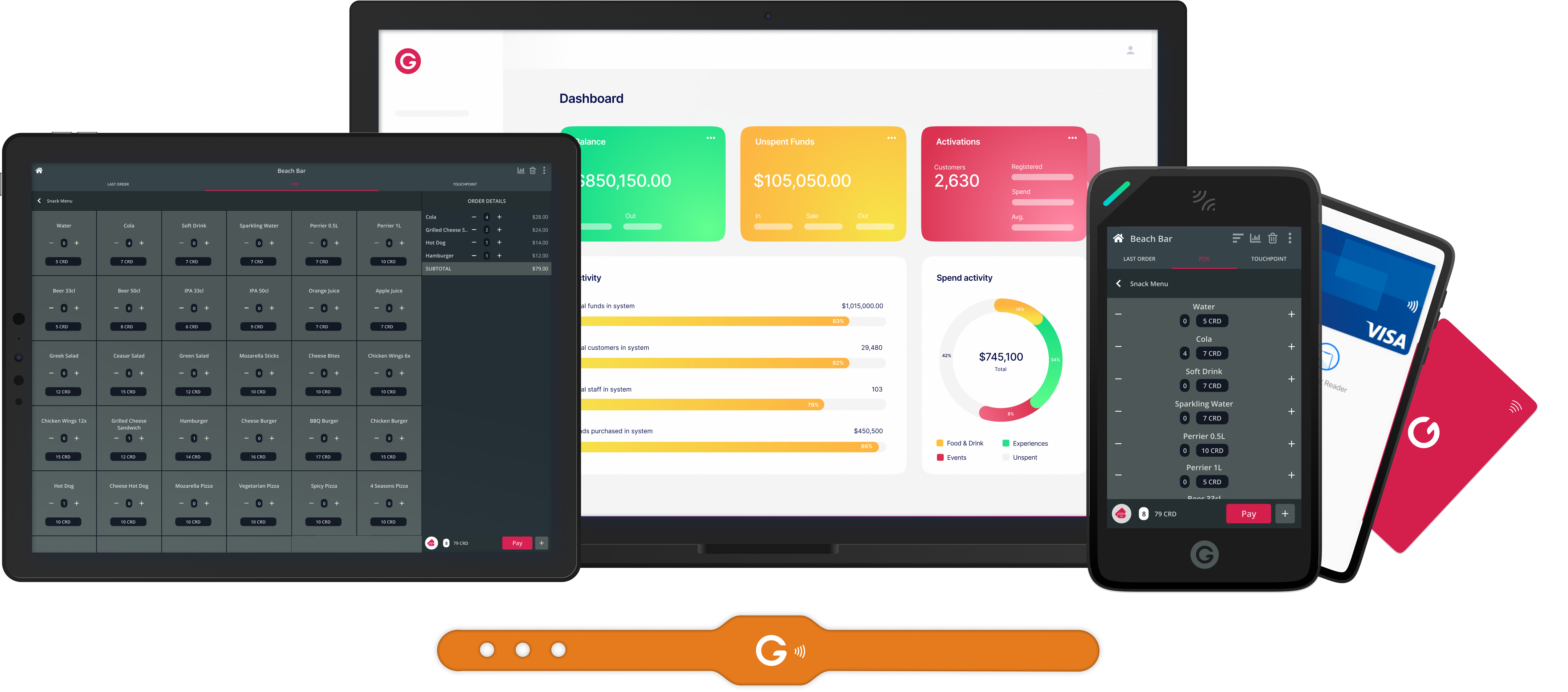
As digital wallets and event platforms become more embedded, they provide a real-time view of how attendees engage across the experience. Where people spend, how often they return, and which moments they choose to participate in can reveal as much about emotional impact as any feedback form.
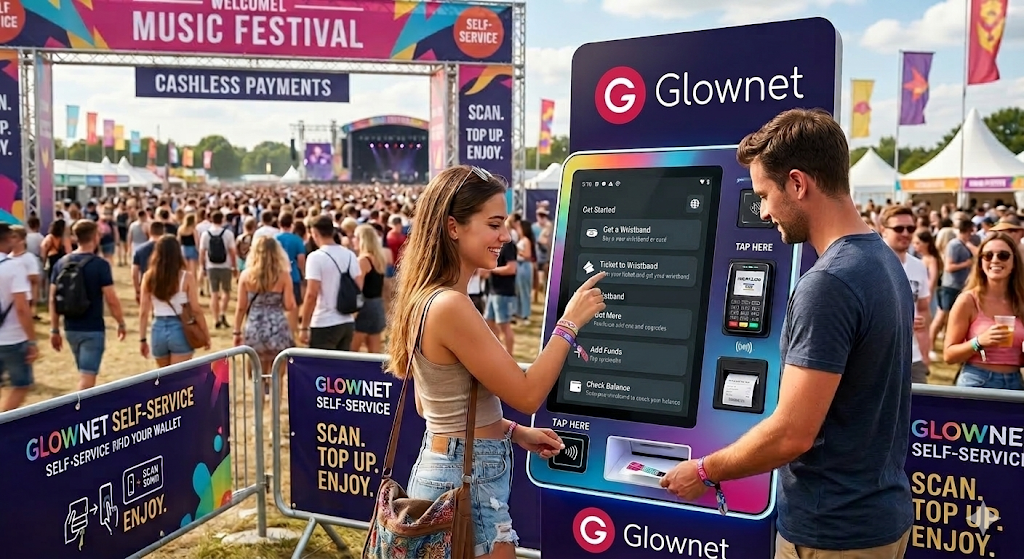
More importantly, the wallet is no longer just a payment tool. It is becoming part of the experience itself, shaping how guests onboard, access services, upgrade experiences, and interact with the wider event ecosystem.
Interactions beyond core transactions, from photo experiences to rides and brand activations, often represent the most memorable moments of the event. Tracking how attendees engage with these touchpoints provides a deeper signal of connection, not just consumption.
In that sense, Return on Emotion isn’t just something you measure after the event, it’s something you can observe as it happens.
Why This Matters
If an event doesn’t make people feel something, it won’t stick. And if it doesn’t stick, it won’t drive action.
In 2026, emotion isn’t a soft metric, it’s a leading indicator of engagement, spend, and long-term brand loyalty.